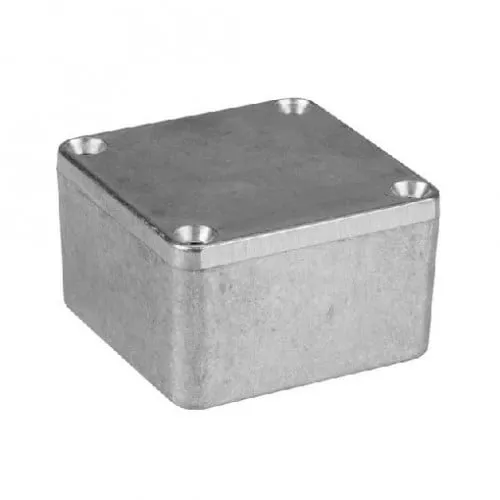
Understanding Aluminum Diecast
Aluminum die casting is a highly efficient manufacturing process used to create complex metal parts with precision and speed. It involves forcing molten aluminum alloy under high pressure into a mold cavity. Once the metal solidifies, the part is ejected, ready for finishing or immediate use. This method is favored for its ability to produce high volumes of parts with intricate designs and excellent surface finishes. The process is widely used across various industries, from automotive and aerospace to consumer electronics and beyond, due to its cost-effectiveness and versatility. Understanding the basics of this process is key to appreciating its value.
What is Aluminum Diecast
Aluminum die casting is a specific form of die casting that uses aluminum alloys. The process begins with melting the aluminum alloy. Then, the molten metal is injected into a die, which is a custom-made mold. The die is typically made of steel and can withstand high temperatures and pressures. The molten aluminum fills the die cavity and solidifies, taking the shape of the mold. After solidification, the die is opened, and the finished part is ejected. This process is repeatable and can produce thousands or even millions of identical parts, making it ideal for mass production. The choice of aluminum alloys offers a range of properties, including strength, lightweight characteristics, and corrosion resistance, making them suitable for various applications.
Advantages of Aluminum Diecast

Aluminum die casting offers several significant advantages over other manufacturing processes. One of the primary benefits is the ability to produce complex geometries with fine details. The high pressure used in die casting allows for intricate designs that would be difficult or impossible to achieve with other methods. Secondly, the process results in excellent dimensional accuracy and surface finish. This reduces or eliminates the need for secondary machining operations, saving time and cost. Thirdly, aluminum die casting is a rapid process, allowing for high production volumes. Finally, aluminum alloys offer a high strength-to-weight ratio, making the resulting parts durable and lightweight. This combination of benefits makes aluminum die casting a preferred choice for many industries.
Why Use Aluminum Diecast
Aluminum die casting is chosen for a variety of reasons, including cost-effectiveness, design flexibility, and material properties. The process is particularly well-suited for high-volume production, where the initial investment in tooling is offset by the low per-part cost. Moreover, the process offers significant design freedom, allowing engineers to create complex shapes and incorporate features like thin walls, intricate details, and textured surfaces. Aluminum alloys provide excellent mechanical properties, including strength, stiffness, and thermal conductivity, which are often essential for functional parts. Aluminum is also lightweight and corrosion-resistant. Furthermore, the ability to cast aluminum with good surface finishes reduces the need for costly secondary operations.
Top 5 Tips for Aluminum Diecast
To achieve optimal results in aluminum die casting, several key factors must be considered. These tips cover the most important aspects of design, material selection, mold design, process control, and post-processing. Following these guidelines will help manufacturers produce high-quality parts efficiently and cost-effectively. These tips are designed to provide a clear and comprehensive guide to understanding the nuances of aluminum die casting. By focusing on each of these areas, manufacturers can improve the overall quality and performance of their die-cast components.
Tip 1 Design Considerations

The design phase is critical for successful aluminum die casting. The part’s design must be optimized for the die casting process to ensure manufacturability and cost-effectiveness. This involves careful consideration of several factors to ensure a smooth and efficient casting. Designing with the process in mind from the start helps prevent potential issues during production.
Draft Angles and Wall Thickness
Draft angles are essential for easy part ejection from the mold. These are slight angles added to the sides of the part to allow it to release from the die. Insufficient draft angles can cause the part to stick in the mold, leading to defects or even damage. Proper wall thickness is also crucial; uniform wall thickness helps to prevent warping and shrinkage during cooling. Avoid sharp corners and transitions; they can create stress concentrations and lead to cracking. Rounded corners and fillets improve the strength of the part and facilitate the flow of molten metal, improving mold filling and part quality. The use of appropriate draft angles, coupled with careful consideration of wall thickness and corner radii, is pivotal for successful casting.
Tip 2 Alloy Selection
Choosing the right aluminum alloy is crucial for achieving the desired mechanical properties, corrosion resistance, and performance characteristics of the cast part. Different alloys offer varying levels of strength, ductility, and thermal conductivity. Selecting the correct alloy depends on the intended application and the specific requirements of the component. The selection process needs to balance performance needs with casting characteristics to ensure the alloy is suitable for the die-casting process.
Popular Aluminum Alloys

Several aluminum alloys are commonly used in die casting, each with unique properties. Alloys like A380 are known for their excellent castability, making them suitable for intricate parts. A380 offers a good balance of strength, cost-effectiveness, and corrosion resistance, making it versatile for many applications. A383, another common choice, provides improved mechanical properties and is often used when higher strength is required. ADC12 is another popular alloy. The choice between these alloys depends on the specific requirements of the application, with factors like strength, ductility, and corrosion resistance playing crucial roles. Consult with a material specialist to determine the best alloy for your project, ensuring the component meets all functional requirements and performs as expected.
Tip 3 Mold Design Optimization
The design of the mold or die is a critical factor in the aluminum die casting process. An optimized mold design ensures proper metal flow, efficient cooling, and the production of high-quality parts. Careful consideration must be given to the mold’s internal features, gating systems, and venting strategies. Effective mold design can significantly improve the efficiency and quality of the casting process, leading to fewer defects and higher production rates. The mold must be designed to withstand the high pressures and temperatures involved in the die casting process, typically made from specialized tool steel to ensure durability and longevity.
Gating Systems and Venting
The gating system is the network of channels that directs the molten aluminum into the mold cavity. Proper gating design is critical to ensure the metal fills the mold evenly, minimizing defects like porosity and cold shuts. This includes the sprue, runners, and gates, all strategically placed to optimize metal flow. Venting allows air and gases to escape from the mold cavity as the molten metal enters. Insufficient venting can lead to trapped air, resulting in defects. Vents are small channels or slots in the mold that facilitate the escape of gases. Proper gating and venting are essential for producing high-quality die-cast parts.
Tip 4 Die Casting Process Control

Controlling the die casting process parameters is essential for consistent part quality. Key parameters include temperature, pressure, and cycle time. Accurate control of these factors ensures that the aluminum solidifies correctly and that the resulting parts meet the required specifications. Consistent monitoring and adjustment of these parameters are essential throughout the production run to maintain quality and minimize defects.
Temperature and Pressure
The temperature of the molten aluminum and the die, along with the injection pressure, significantly affects the quality of the castings. The molten metal must be heated to the correct temperature to ensure proper flow and filling of the mold cavity. The die temperature must also be carefully controlled to prevent premature solidification. The injection pressure determines how quickly the molten metal fills the mold; higher pressures often result in better detail and reduced porosity. Precise control of these parameters is critical for producing high-quality castings with minimal defects. Regular monitoring and adjustment of these parameters throughout the casting process ensure consistency.
Tip 5 Post-Processing Techniques
Post-processing operations are essential for achieving the desired surface finish, dimensional accuracy, and performance characteristics of the die-cast parts. These operations can include trimming, machining, surface finishing, and heat treatment. Post-processing techniques can refine the appearance and functionality of the parts. This stage often involves removing excess material, improving the surface finish, and enhancing the mechanical properties of the parts. The choice of post-processing methods depends on the specific requirements of the application and the desired final result.
Surface Finishing Options

A variety of surface finishing options can be applied to aluminum die-cast parts to enhance their appearance, corrosion resistance, and wear resistance. These include powder coating, painting, anodizing, and plating. Powder coating provides a durable and attractive finish, while painting can offer a wide range of colors and textures. Anodizing increases corrosion resistance and wear resistance. Plating can be used to provide specific surface properties. The choice of finishing option depends on the application. These finishing processes not only improve the aesthetics of the parts but also extend their lifespan and improve their performance.
Common Applications of Aluminum Diecast
Aluminum die casting is used across a wide range of industries. Its versatility, combined with its ability to produce complex shapes and excellent mechanical properties, makes it an ideal choice for various applications. From automotive components to consumer electronics, the use of aluminum die casting is expanding due to its cost-effectiveness, high production volumes, and design flexibility.
Automotive Components
The automotive industry is a significant user of aluminum die casting. Components such as engine blocks, transmission housings, and structural parts benefit from the lightweight and strength characteristics of aluminum. Aluminum die casting allows for complex designs, and reduces weight while maintaining strength and durability. The process is ideal for mass production, providing the necessary volume and cost-effectiveness to meet the industry’s demands. As the automotive industry focuses on fuel efficiency and performance, aluminum die casting continues to play a crucial role in vehicle design and manufacturing.
Consumer Electronics

Aluminum die casting is widely used in consumer electronics, particularly in devices that require lightweight, durable, and aesthetically pleasing housings. This includes laptops, smartphones, and other portable devices. The process allows for the creation of complex shapes and designs with excellent surface finishes. The ability to incorporate intricate details and textures makes aluminum die casting ideal for creating appealing and functional products. The use of aluminum in consumer electronics helps to meet the demand for sleek, durable, and high-performance devices.
Aerospace Parts
In the aerospace industry, aluminum die casting is used for components that require high strength-to-weight ratios and excellent performance under extreme conditions. Parts such as engine components, structural elements, and housings benefit from the lightweight and durability of aluminum. The precision and dimensional accuracy offered by die casting are essential for aerospace applications where performance and safety are paramount. The ability to produce complex, intricate designs with tight tolerances makes aluminum die casting a valuable process in the aerospace industry.
Conclusion
Aluminum die casting is a versatile and efficient manufacturing process with numerous advantages. From the design stage to the final post-processing, each step influences the quality and performance of the final product. By understanding the intricacies of this process, manufacturers can create high-quality parts that meet demanding specifications. With the right design considerations, alloy selection, mold design, process control, and post-processing techniques, aluminum die casting can be a valuable asset in many industries. The versatility and cost-effectiveness of aluminum die casting make it a favored choice for mass production.